
Have You Heard of Raccoon Sundae? A Daegu Food-Truck Case Study
A look at Raccoon Sundae, a food truck in Daegu, South Korea, and how location updates, scarcity, and community building helped it grow a local following.
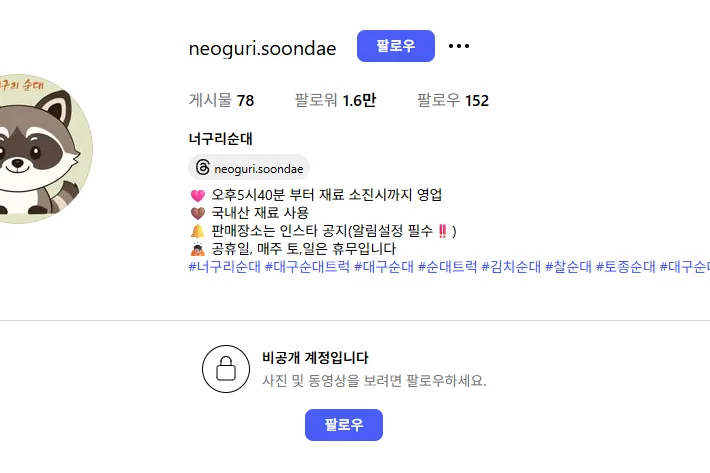
A red truck roams Daegu, South Korea. Around 5:40 p.m. it appears somewhere, forms a queue, and disappears when the ingredients run out. It is called Raccoon Sundae. There is no raccoon on the menu—nor ramen turned into sausage, despite what the name might suggest. Sundae is Korean blood sausage, and the truck has clearly cast a spell over people in Daegu.
Its core is scarcity marketing
You have to follow it to eat there
Raccoon Sundae’s strongest asset is controlled access. Unless you follow its Instagram account, you do not know where it will sell. Unless you turn on notifications, you will probably miss it. This is more than a marketing trick; it is the center of its community building.
- Followers = members: its roughly 16,000 followers are not passive subscribers. They are members of the “Raccoon Sundae Club.”
- Notifications = tickets: enabling alerts creates the same anticipation as reserving a limited-edition product.
- Location announcement = event: the daily afternoon location post becomes an event that invites participation.
To eat Raccoon Sundae, people open Instagram, follow the account, turn on alerts, and wait for the afternoon location notice. It is inconvenient, but that inconvenience is part of what makes the truck feel special.
The followers wait for the notification and wonder, “Where will it appear today?” Some check Instagram hurriedly before leaving work; others share the location with friends and suggest going together. The sequence becomes an event and then part of daily life.
A good restaurant once meant a fixed address: “that place in that alley.” Raccoon Sundae is different. Instead of an address, you give people an Instagram handle; instead of directions, you tell them to turn on alerts. The change creates a new kind of pleasure rather than mere friction.
The time and format repeat every day, but the location changes. That small uncertainty makes an ordinary day feel like an adventure and turns customers into active participants. It is an unusually complete example of the scarcity principle: the truck appears every day, yet it is always limited. When ingredients are gone, it is over.
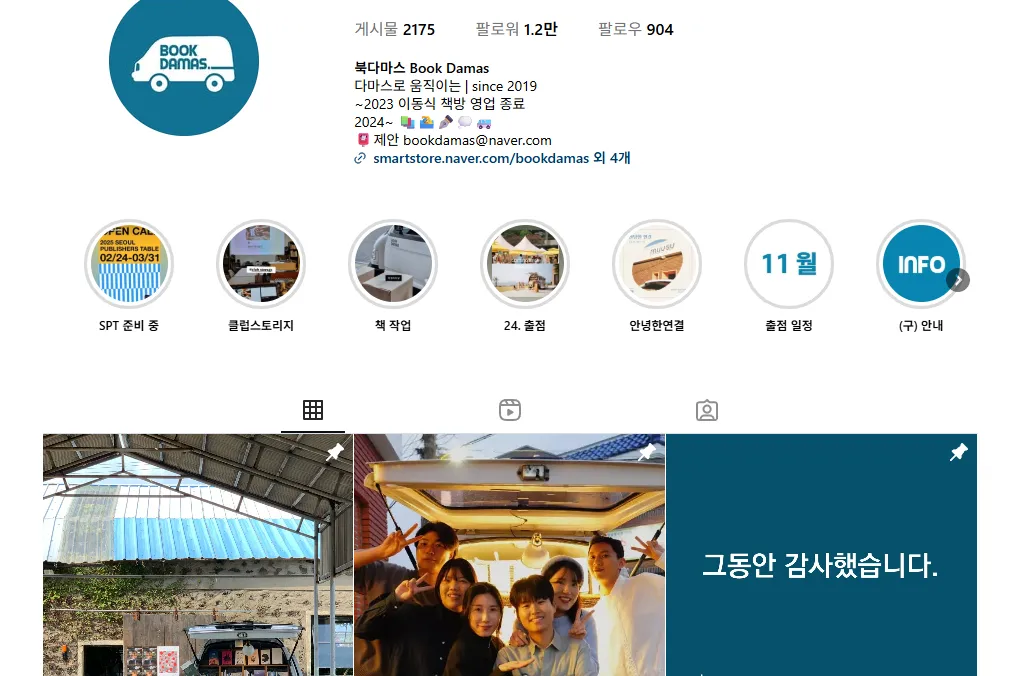
A similar approach had already been tested by Bookdamas, a mobile independent bookstore that traveled across South Korea 440 times from 2020 to 2023. It also announced locations through Instagram, and followers sought it out like a treasure hunt.
Food adds a crucial difference. A book can be read later; hot sundae needs to be eaten now. That immediacy intensifies the scarcity: “If not now, when will I find it again?” becomes a reason to join the line.
A Daegu appetite for strong flavor
The 5:40 p.m. schedule is deliberate. It targets the gap between leaving work and dinner. Earlier would miss people still working; later would miss people who have already eaten.
Its description—generously loaded with garlic, spicy, and deeply savory—reads Daegu’s local taste well. The truck leans into the city’s preference for bold, rich flavor. Its insistence on Korean ingredients and same-day butchered offal also speaks to customers who care closely about quality.
Closing on Saturdays, Sundays, and public holidays is strategic as well. A food truck might normally be busiest on weekends, but by closing then it raises the value of weekdays. For office workers, it becomes a special treat that can be found only during the work week.
A new kind of social-media communication
Raccoon Sundae’s Instagram is not merely a promotional channel. The repeating location announcements create an intimate rhythm with followers. Posts that ingredients have run out communicate genuine urgency; on-site photos make the scene feel immediate.
Selling skewers to people in the queue is similarly well judged. It is not only extra revenue. It eases the wait and makes the site feel livelier. The ticket-number system does the same: receiving a number at a food truck feels like a popular restaurant experience, while orderly waiting reduces frustration.
Trust is brand power
Trust is the most important part of social-media marketing. Raccoon Sundae works because it keeps its online promises offline: it appears when it says it will, maintains the quality it promises, and honestly announces when it has sold out.
Over time, “run when you see the red truck” became more than a phrase. Followers began to regard it as a dependable brand, not merely a food seller.
The dilemma of success
The same qualities that make the truck appealing—small scale and scarcity—make expansion difficult. More trucks or a larger operation could erase the sense of specialness. Success also makes imitation by similar food trucks more likely.
Weather and seasons are another constraint. A food truck is difficult to operate in winter or rain, so it needs an alternative strategy for those conditions.
Raccoon Sundae as a local cultural phenomenon
Raccoon Sundae has become more than a food truck. It is a business model optimized for the social-media era and a case study in a digital-native pattern of consumption.
The important point is that the strategy creates real enjoyment. Checking the daily location, seeking it out, lining up, and waiting together become part of the experience. There may be no raccoon, but there is clearly a form of magic that has captured Daegu: community building carried through social media.